
Center of Excellence
Center for the Study of Religion and Christian - Muslim Relations
Advisory Board Chairman's Message
A Message from the Chairman of the Advisory Board
Willi Toisuta
It is both a privilege and a profound responsibility to stand before you today as we inaugurate this very important Center of Excellence dedicated to the study of religion and Muslim-Christian Relations.
We gather here not merely to open an academic unit, but to affirm a vision: one that speaks to the hearts of our shared humanity, our national identity, and our global future.
We are living in a time of extraordinary transformations. Artificial Intelligence (AI) is reshaping how we think, learn, communicate, and even how we believe.
Knowledge is no longer scarce; it is abundant, immediate, and algorithmically curated. Yet in this abundance, we face a paradox: the more connected we become digitally, the more fragmented we risk becoming socially and spiritually.
In such a time, the study of interreligious relations is not optional; it is essential.
In our beloved Indonesia, diversity is not an abstract concept – it is a lived reality. Our society is woven from multiple faiths, cultures, and traditions. This diversity finds its philosophical grounding in Pancasila [Indonesian state philosophy and ideology], which calls us to uphold belief in God while honoring unity in diversity.
It is within this framework that Muslims and Christians, along with other communities, have journeyed together in building this nation.
We are reminded of the wisdom of great Indonesian thinkers who envisioned a pluralistic society NOT as a compromise but as a calling. They taught us that faith, when deeply understood, does not divide – it liberates. It does not isolate – it connects. It does not weaken identity – it strengthens it through encounter.
Today, however, the context has changed. The digital age – and especially the rise of AI has introduced new challenges to interreligious life.
Algorithms shape what we see, what we read, and increasingly, what we believe. They can amplify voices of wisdom, but they can also magnify misunderstanding. They can connect communities, but they can also trap individuals within echo chambers of fear and prejudice. Misinformation about religion spreads faster than ever before, often detached from context, nuances, and scholarly integrity.
This is precisely why our Center of Excellence is both timely and necessary.
Allow me to suggest several key roles, as I see them, that our Center can and must play:
First, this Center must be a place of deep, research-based scholarship. In an age of superficial knowledge, we must return to depth. The study of Muslim-Christian relations must be grounded in rigorous theology, history, and textual understanding. Superficial dialogue will not sustain lasting peace. Only dialogue rooted in intellectual honesty and spiritual humility can do so.
Second, the Center must engage critically with technology. AI is not neutral; it reflects the data and values embedded within it. Therefore, we must ask: How does AI represent religion? Whose voices are amplified and whose are marginalized? How can we develop ethical frameworks that ensure technology serves human dignity – rather than undermining it?
Third, this Center must move beyond dialogue to collaboration. For too long, interfaith engagement has been limited to symbolic gestures. While dialogue remains important, our world demands more. Muslims and Christians must work together on shared challenges – poverty, environmental degradation, education and social justice. Our unity must be visible not only in words but in action.
Fourth, the Center must invest in developing future leaders. The next generation will inherit a world even more shaped by technology and diversity than ours. They must be equipped not only with knowledge but with wisdom, not only with skills but with character. They must learn to navigate differences not with fear, but with confidence and compassion.
Fifth, the Center must contribute to peacebuilding. While Indonesia is often celebrated as a model of pluralism, we are not immune to tension. Religious misunderstanding can still be exploited, particularly in the digital sphere. The Center can serve as an early warning system using research, data, and ethical insight to anticipate and prevent conflict before it escalates.
Sixth, this Center must speak to the global community. The challenges we face here are not unique. Around the world, societies struggle with religious polarization. Indonesia, with its experience in pluralism, has much to offer. The Center can become a global reference point – a place where knowledge is produced not only for Indonesia, but for humanity.
At a deeper level, however, the work of this Center is not only academic or social – it is profoundly spiritual.
AI may one day surpass human capabilities in many domains. It may process information faster, recognize patterns more accurately, and even simulate conversation convincingly. But there are dimensions of human existence that no machine can replace, i.e., conscience, compassion, and the capacity for transcendence.
Faith traditions remind us that to be human is not merely to think but to love, not merely to exist but to seek meaning.
In this sense, the more advanced our technologies become, the more urgent it becomes to deepen our humanity.
This Center of Excellence must therefore stand up as a bridge between faith and reason, between tradition and innovation, between communities that are different, yet bound by shared destiny.
Let it be a place where scholars engage not only with text, but with one another. A place where students learn not only to argue but to listen. A place where differences are not erased but understood and respected. A place where knowledge leads to wisdom and wisdom leads to peace.
As we inaugurate this Center today, we are not simply launching a program. We are making a commitment – a commitment to intellectual integrity, to social harmony, and to the dignity of every human person.
May this Center grow into a beacon of hope. May it inspire generations of scholars and leaders. May it contribute to a more just, peaceful, and compassionate world.
Finally, may Muslims and Christians, together with all people of goodwill, continue to walk side by side – not in suspicion, but in trust, not in division but in unity, not in fear but in hope.
May God bless this center and bless us all.
*This essay was delivered during the inauguration of CSR-CMR on April 16, 2026.
History, Vision & Mission
Center for the Study of Religion and Christian-Muslim Relations (CSR-CMR) at Satya Wacana Christian University (SWCU) is designed to be a leader and a world-leading center in the study of religion, both world religions and local beliefs, and Christian-Muslim relations, as well as in response to increasing challenges to religious plurality and the relationship between followers of Christianity and Islam in Indonesia and beyond. CSR-CMR is not only significant as a site for the academic study of religion and Christian-Muslim relations, but also as a vehicle for finding productive ways to build harmonious relationships among diverse religious communities, including Christians and Muslims.
Reasons for the founding of CSR-CMR are as follows.
First, Indonesia, although the government officially recognizes only six (world) religions, is home to many diverse faiths and beliefs, making this country one of the world’s most pluralistic societies in terms of religious diversity. Throughout the country’s social history, relations among religions have been marked by cooperation and respect as well as tensions, conflict, and violence.
Second, SWCU, founded in 1956, is home not only to Christians but also to adherents of other faiths from various parts of Indonesia and other countries. Although the university’s founding was based on the Christian faith, it has a deep respect for non-Christian religions and beliefs. The university is also committed to engaging pluralities by understanding, establishing, and bridging relations with other faiths. CSR-CMR, hence, reflects SWCU’s Christian heritage and recognition of religious significance in the history of human societies and modern global affairs.
Third, SWCU has a significant Christian and Muslim population (students, faculty, researchers, and staff), as well as adherents of other faiths, and academic programs in the studies of religion and societal, global affairs in Indonesia and beyond, not only in the Faculty of Theology but also in other faculties. However, the university does not have a research center dedicated to the study of religion and Christian-Muslim relations.
Fourth, even though relations between Christianity and Islam in Indonesia go back around five centuries, the two faiths, whose followers comprise the world’s largest and second-largest populations, have shared a complex history for millennia. Throughout history, Christian-Muslim relations were marked by conflict and violence but also by integration and cooperation that eventually have shaped, re-shaped, and influenced the present attitudes, perceptions, and understandings of the two religious communities. To understand the historical dimensions of mutual perceptions in modern times, the roots of Christian-Muslim relations need to be accurately and respectfully researched and studied.
Fifth, the historical and global presence of religion and its impact on human knowledge, politics, cultures, and civilizations are a fact of local, national, and international life. Equally important, Christian-Muslim relations have been critically tested by a series of anti-pluralist and intolerant acts in Indonesia (and other parts of the world) nowadays.
Vision
- CSR-CMR was built on a belief, promise, and commitment to the equality and dignity of all human societies, regardless of their religion, ethnicity, gender, language, nationality, and other identities.
- CSR-CMR was founded on the principle that Christians, Muslims, and adherents of other faiths, in their co-humanity, are called to see, know, understand, engage, esteem, and learn from one another, despite or even because of their variations and differences in religious beliefs, teachings, texts, and practices.
- CSR-CMR is committed to the premise that mutual respect, understanding, and cooperation among religions, particularly between Muslims and Christians, can and should grow and thrive through intensive study and research as well as academically guided dialogue and engagement.
Mission
CSR-CMR’s main mission is twofold: (1) to enhance and advance knowledge and understanding of religion, both world religions and local beliefs, and (2) to foster, deepen, expand, and build relationships, dialogues, engagements, and bridges of mutual understanding, respect, and cooperation between Christians, Muslims, and followers of other faiths, by supporting academic training and scholarship.
Purposes
- To be a world-leading institution for research, education, and scholarship on the study of religion and Christian-Muslim relations.
- To achieve better and mutual understanding as well as tolerance and trust-based productive relationships between and among adherents of religions.
- To study three focal issues, as follows: (1) Religion (the study of plurality, complexity, and density of religions and religious believers) (2) Inter/intrareligious encounters (the study of historical and contemporary development of encounters and engagement among distinct religious communities and/or traditions) (3) Christian-Muslim relations (the study of Christian-Muslim historical and contemporary relations in Indonesia and other parts of the world).
Executive Board
Chairman
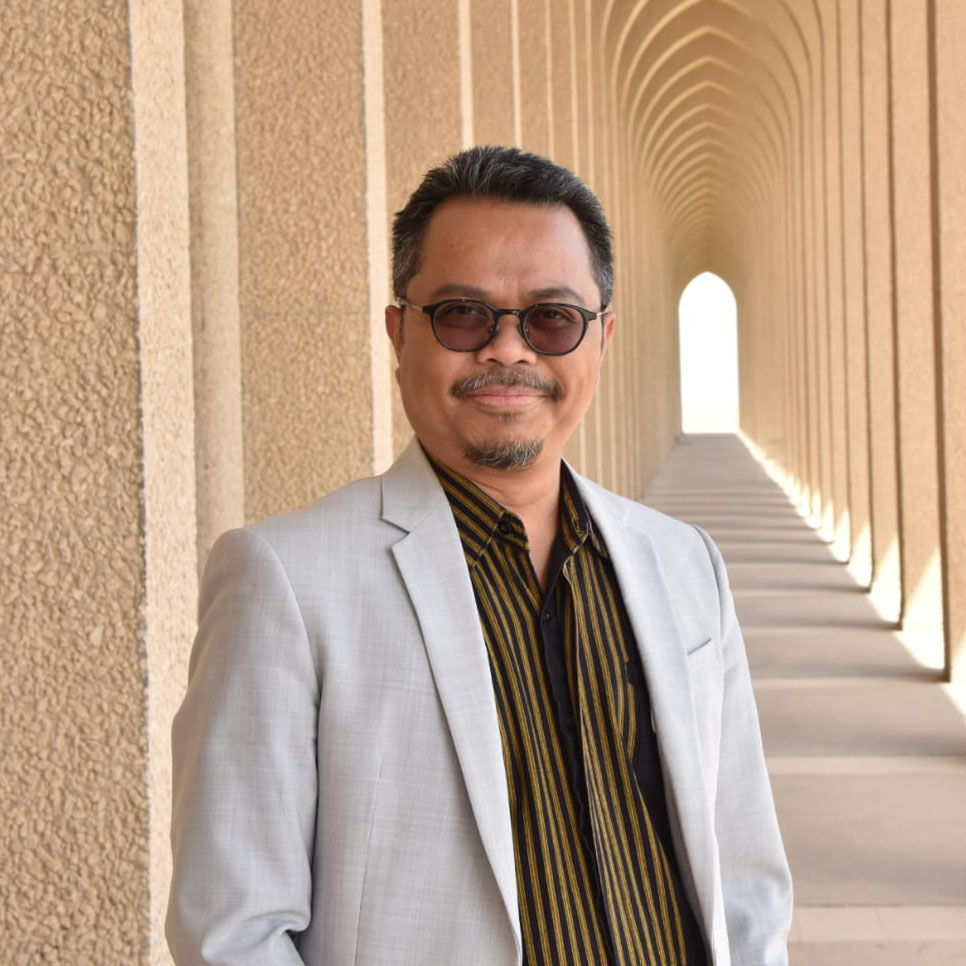
Sumanto Al Qurtuby is the Chairman of the Center for the Study of Religion and Christian-Muslim Relations, a senior faculty member in the Sociology of Religion Graduate Program in the Faculty of Theology at Satya Wacana Christian University, as well as the Founding Director of Nusantara Institute on Culture and Religion. Before joining the university in 2025, he had over 20 years of teaching and research experience overseas, holding multiple academic/research positions at various universities, including Kyoto University (Japan), King Fahd University of Petroleum & Minerals (Saudi Arabia), the National University of Singapore, and the University of Notre Dame (USA). His academic and research interests encompass the study of religion, conflict and violence, peacebuilding, interreligious relations, Christian-Muslim engagement, Muslim politics and cultures, religion and world affairs, public religion and secularism, as well as the Middle East and Southeast Asia.
Sumanto obtained his PhD in anthropology, with a focus on religious and political anthropology, from Boston University. During his academic career, Sumanto was awarded several competitive fellowships and grants, including from the National Science Foundation (USA), Earhart Foundation (USA), the University of Oxford (United Kingdom), Joan B Kroc Institute for International Peace Studies (USA), Center for the Study of Muslim Societies and Civilization (USA), National University of Singapore’s Middle East Institute (Singapore), and Kyoto University’s Center for Southeast Asian Studies (Japan), among others.
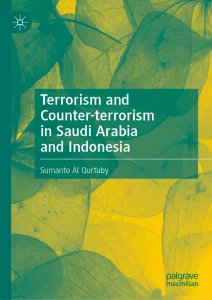
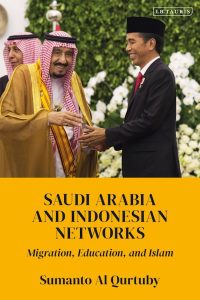
Sumanto has written more than 50 academic articles published in various international scholarly journals, as well as authored and edited 45 books in Indonesian and English, including Terrorism and Counter-terrorism in Saudi Arabia and Indonesia (Palgrave Macmillan, 2022), Saudi Arabia and Indonesian Networks: Migration, Education and Islam (Bloomsbury, 2020), and Religious Violence and Conciliation in Indonesia (Routledge, 2016). He is now working on a monograph (under contract with Springer), entitled Polemics on Antisemitism and Philosemitism in Indonesia.
Email: sumanto.qurtuby@uksw.edu
Google Scholar: https://scholar.google.com/citations?user=XYpGggIAAAAJ&hl=en
Deputy Chairman
Petsy Jessy Ismoyo, the Deputy Chairman of the Center for the Study of Religion and Christian-Muslim Relations, holds a Ph.D. from the Indonesian Consortium for Religious Studies at Gadjah Mada University. She currently serves as an assistant professor in the Faculty of Social and Communication Sciences and is a researcher at the Center for the Study of Religion, Pluralism, and Democracy (Pusapdem) at Satya Wacana Christian University. She was granted a study in the U.S. Institutes (SUSI) for religious pluralism, spent her time working with the Dialogue Institute at Temple University in 2018, and was a visiting researcher in Security, Islam, and Democracy in Indonesia and Turkey (SIDIT) at Humboldt University of Berlin with support from the Institut fur Auslandbeziehungen (ifa), Germany. Her research interests focus on the intersections of gender, culture, and religion. Her latest publication is “[Re]constructing [An]other Space: Ritual as a Site of Resistance for the Bissu Community in South Sulawesi, Indonesia” in the book titled “Religion, Decolonization, and the Planetary Community: Voices from the Indonesian Archipelago,” soon to be published by Routledge Taylor & Francis in January 2026.
Email: petsy.ismoyo@uksw.edu
Google Scholar: https://scholar.google.com/citations?user=7Exj-1sAAAAJ&hl=en

Secretary-General
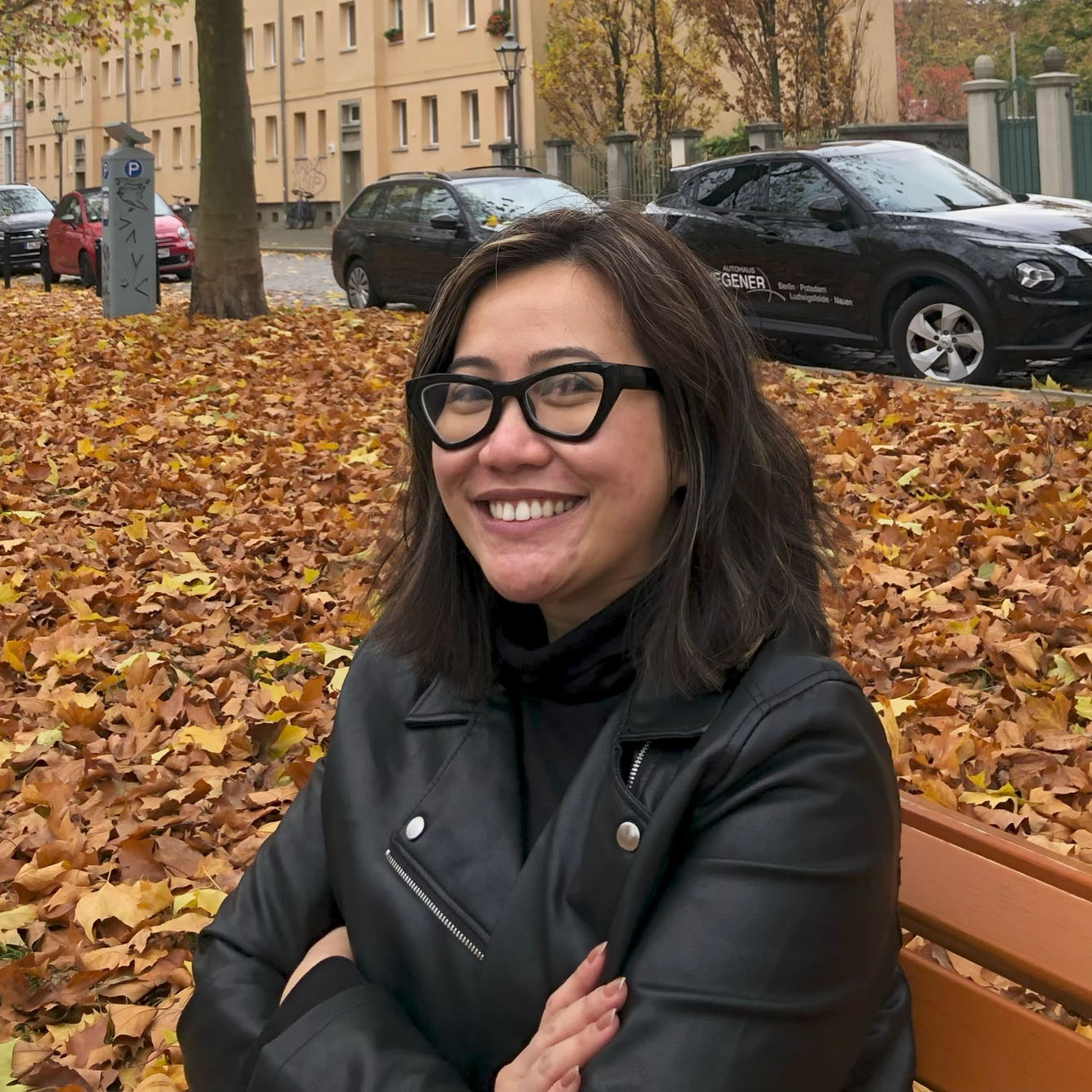
Linda Susilowati is a social scientist at Satya Wacana Christian University (SWCU), where she serves as a lecturer in the Development Studies Postgraduate Program and also conducts research through the Centre for Sustainable Development Studies. She earned her PhD in human geography from the University of Sydney, where she also co-coordinates a joint field school on sustainable development—a collaboration between the two institutions. Her doctoral thesis focuses on rural transformation and women’s agency within evolving social, economic, and cultural contexts in Central Java. Her research examines the intersections of gender, culture, and livelihoods in rural Indonesia, exploring how cultural and religious frameworks shape community identities and development processes. With over eight years of experience collaborating with international organizations and Indonesian civil society groups, she brings expertise in participatory methodologies that bridge indigenous practices with contemporary development approaches.
Email: linda.susilowati@uksw.edu
Google Scholar: https://scholar.google.com/citations?user=EV2k6w4AAAAJ&hl=en
Treasurer
Member
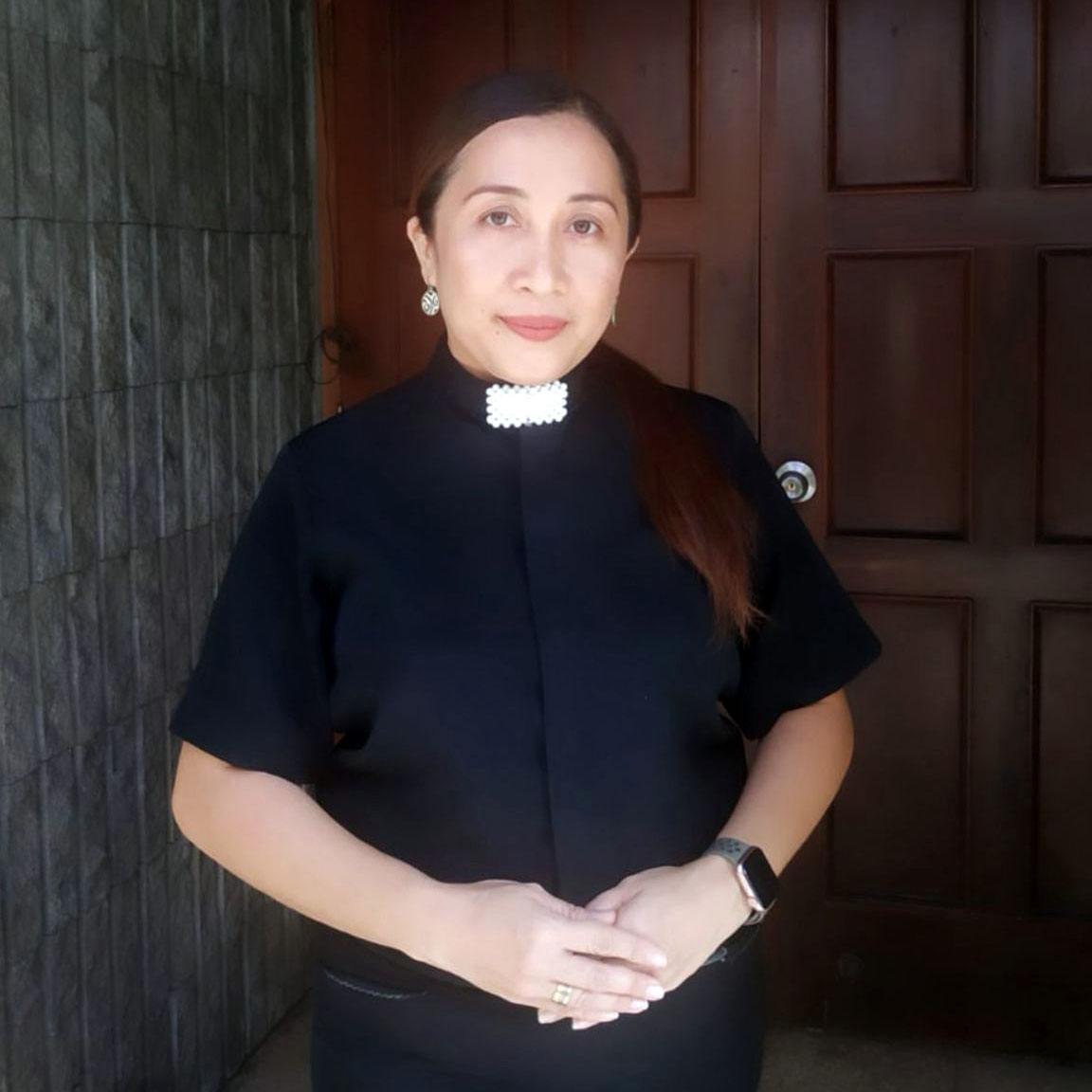
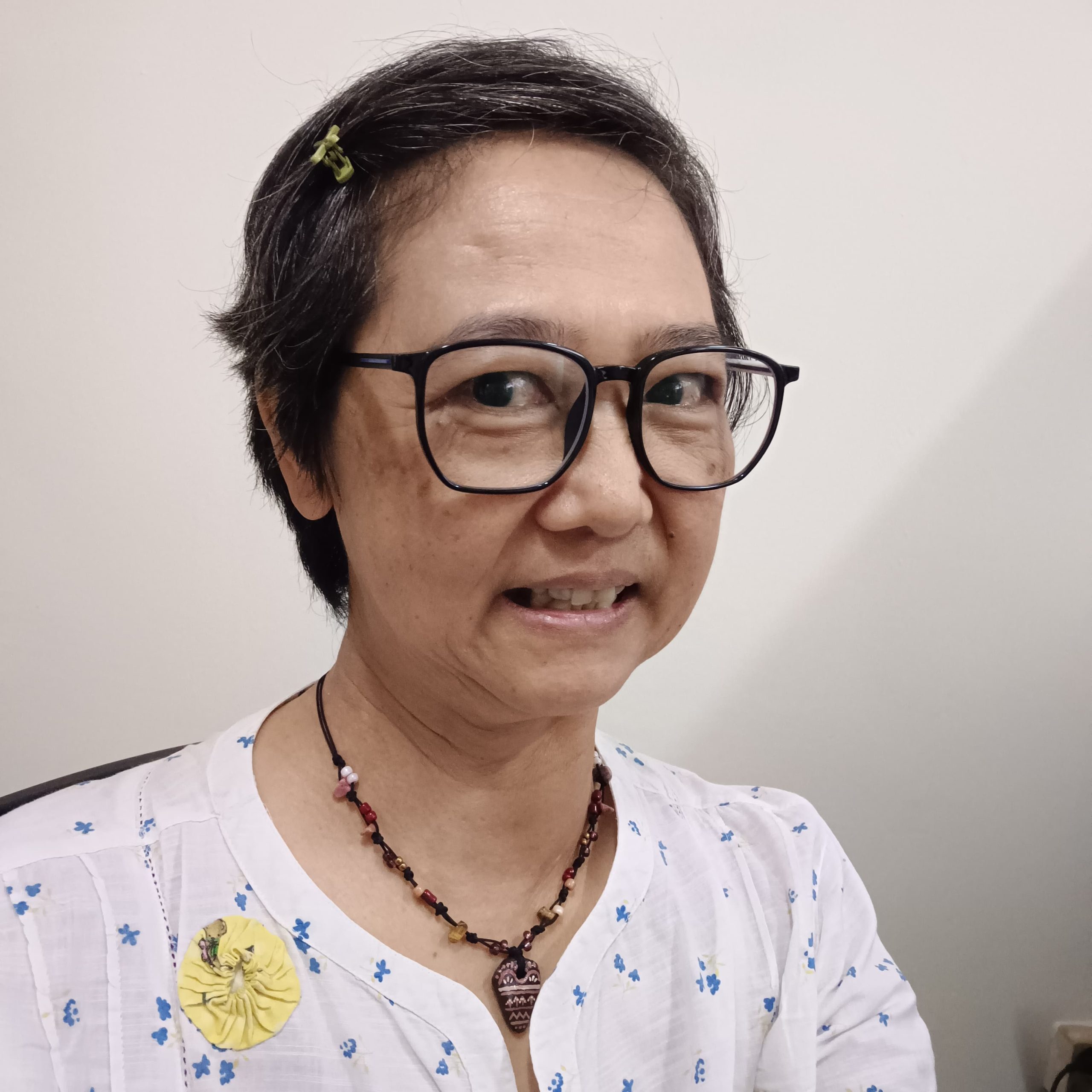
Purwanti Kusumaningtyas teaches at the English Literature Study Program, Faculty of Language and Arts, Satya Wacana Christian University. She graduated from the American Studies Doctorate Program at Gadjah Mada University. Her research interests are multiculturalism, diaspora literature, and ecocriticism. She wrote articles, poetry, and short stories to bring up the issues. Her publications include articles “Representation of Black People in Dahmer-Monster: The Jeffrey Dahmer Story” (Rubikon, 2024), “Solah Bawa Free Movement as a Whole Person Art Practice” (K@ta, 2024), poetry in several poetry anthologies such as “Surreptitious Ballads,” “Iffy Revelation”, dan “It’s Dark But It’s Okay” (Pustaka Egaliter, 2023) and short stories in “They Are Here,” (DeePublish, 2023) a short story anthology.
Email: purwanti.kusumaningtyas@uksw.edu
Google Scholar: https://scholar.google.com/citations?hl=en&user=1SSbj5cAAAAJ&view_op=list_works&sortby=pubdate
Member
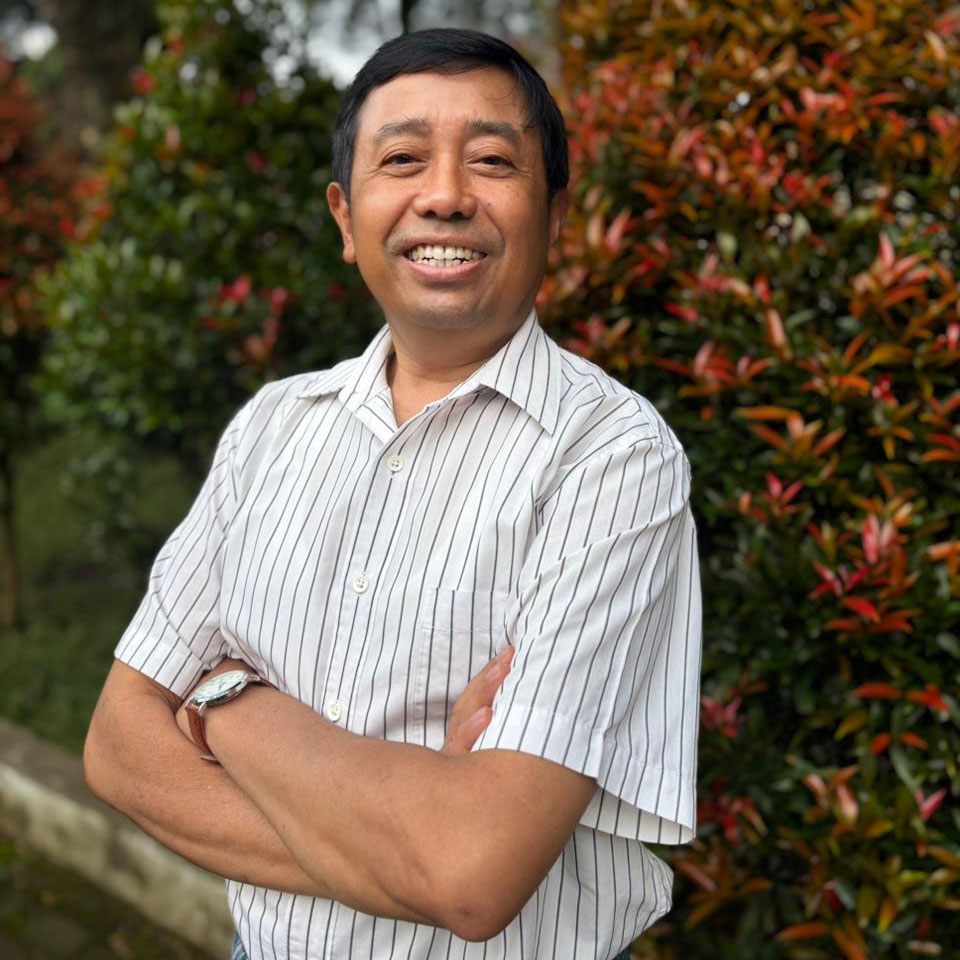
Suwarto Adi is the head of the Sociology of Religion Doctorate Program in the Faculty of Theology at Satya Wacana Christian University (SWCU), where he teaches social ethics and development; religion, economy, and social theory; and development and inter-religious issues. Suwarto is also a team member of the collaborative project between SWCU and Germany-based Evangelische Hochschule Darmstadt on issues related to religion, social services, and sustainable development. Suwarto received his doctorate in theology and anthropology from Duta Wacana Christian University, Yogyakarta. Before joining SWCU, Suwarto had a long experience in several non-governmental institutions (e.g., Trukajaya Christian Foundation), where he directed multiple rural development programs and inter-religious dialogue in Indonesia’s rural areas.
Email: suwarto@uksw.edu
Google Scholar: https://scholar.google.com/citations?hl=en&user=O75faaEAAAAJ
Advisory Board
Intiyas Utami is the Rector of Satya Wacana Christian University (SWCU) and a Full Professor in the Faculty of Interdisciplinary Studies and the Doctorate Program of Accounting, Faculty of Economics and Business. A first female rector at SWCU and an expert in the fields of economics, business, and accountancy, Professor Intiyas also serves as one of the Vice Chairmen of the Indonesian Rectors Forum, an independent non-profit organization, which functions as a forum for university leaders in Indonesia to discuss domestic, national, and international developments related to education and societal issues, as well as provide policy recommendations for the government to enhance social welfare.
Willi Toisuta is the Chairman of the Advisory Board of the Center for the Study of Religion and Christian-Muslim Relations and the Founder of The Willi Toisuta Associates. A renowned educator and expert in societal development, Professor Toisuta holds a PhD in Educational Planning from Macquarie University in Sydney and honorary doctorates from Kwansei Gakuin University (Japan) and Sunshine Coast University (Australia). From 1983 to 1993, Professor Toisuta served as the Rector of Satya Wacana Christian University. Toisuta also served as a Commissioner on Education for the World Council of Churches, where he contributed to the development of concepts for education promoting justice, peace, and environmental integrity among member churches. Additionally, he also served as President of the Association of Christian Colleges and Universities and as an Asian Trustee for the United Board for Christian Higher Education, supporting the development of Christian and Catholic universities across Asia. Toisuta was also an expert staff member in the Ministry of Higher Education, contributing to the planning, development, and reform of Indonesia’s higher education system. His extensive international cooperation led him to serve as a consultant for organizations such as the World Bank, Asian Development Bank, and UNESCO, collaborating on bilateral projects with Indonesia’s partner countries.
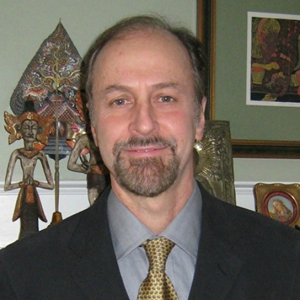
Robert W. Hefner is Professor of Anthropology and Global Affairs at Boston University. He is also President of the American Institute for Indonesian Studies. Previously, Professor Hefner served as the President of the Association of Asian Studies and the Director of the Institute on Culture, Religion and World Affairs. An expert in religious studies, including Christian and Muslim studies, as well as Indonesian politics, cultures, and societies, Professor Hefner has written more than 150 academic articles and authored (or co-authored) more than 20 academic books, including Hindu Javanese: Tengger Tradition and Islam, The Political Economy of Mountain Java, Civil Islam: Muslims and Democratization in Indonesia, Shari’a Politics: Islamic Law and Society in the Modern World, Making Modern Muslims: the Politics of Islamic Education in Southeast Asia, and Routledge Handbook of Contemporary Indonesia, among others.
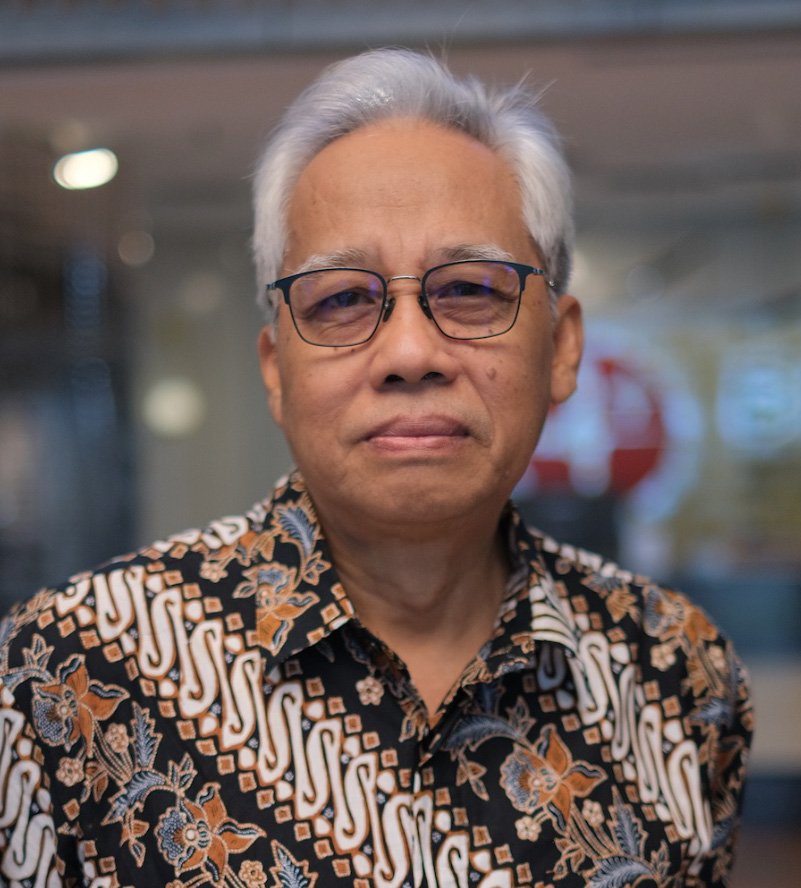
M. Amin Abdullah is a well-known Muslim philosopher and a leading scholar of Islam. A Professor of Philosophy, he is currently the Head of the Cultural Commission of the Indonesian Academy of Science, an independent institution to promote scientific advancement, produce the Indonesian Science Agenda, and advise the Indonesian government on issues related to the development of science and technology. Previously, Professor Amin was the Rector of the Sunan Kalijaga State Islamic University in Yogyakarta. Professor Amin obtained a PhD from the Middle East Technical University, Turkiye, where he wrote a dissertation entitled The Idea of Universality of Ethical Norms in Ghazali and Kant. A prolific author, Professor Amin has written numerous academic works on Islam, Muslim society, philosophy, cultures, and education, among others.
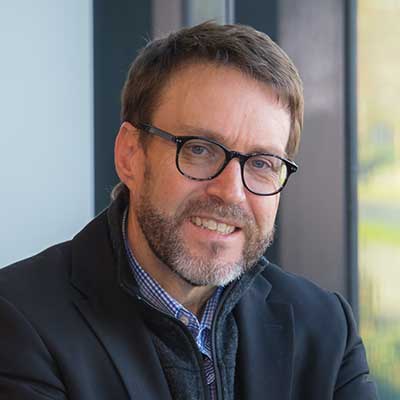
Greg Barton, one of Australia’s leading scholars of Indonesian Islam and Muslim society, is the President of Deakin University-Lancaster University Indonesia. Professor Barton has more than thirty years of experience researching Islam and social movements in Indonesia and Southeast Asia. He is recognized among the world’s top 2% scientists in the 2025 list compiled by Elsevier and Stanford University. From August 2015, Barton took up the position of Research Professor in Global Islamic Politics in the Alfred Deakin Institute for Citizenship and Globalisation at Deakin University. Previously, he was Herb Feith Research Professor for the Study of Indonesia at Monash University. Professor Barton is also a Senior Fellow with the Hedayah Center in Abu Dhabi and author of numerous books, including Gus Dur: The Authorized Biography of Abdurrahman Wahid.
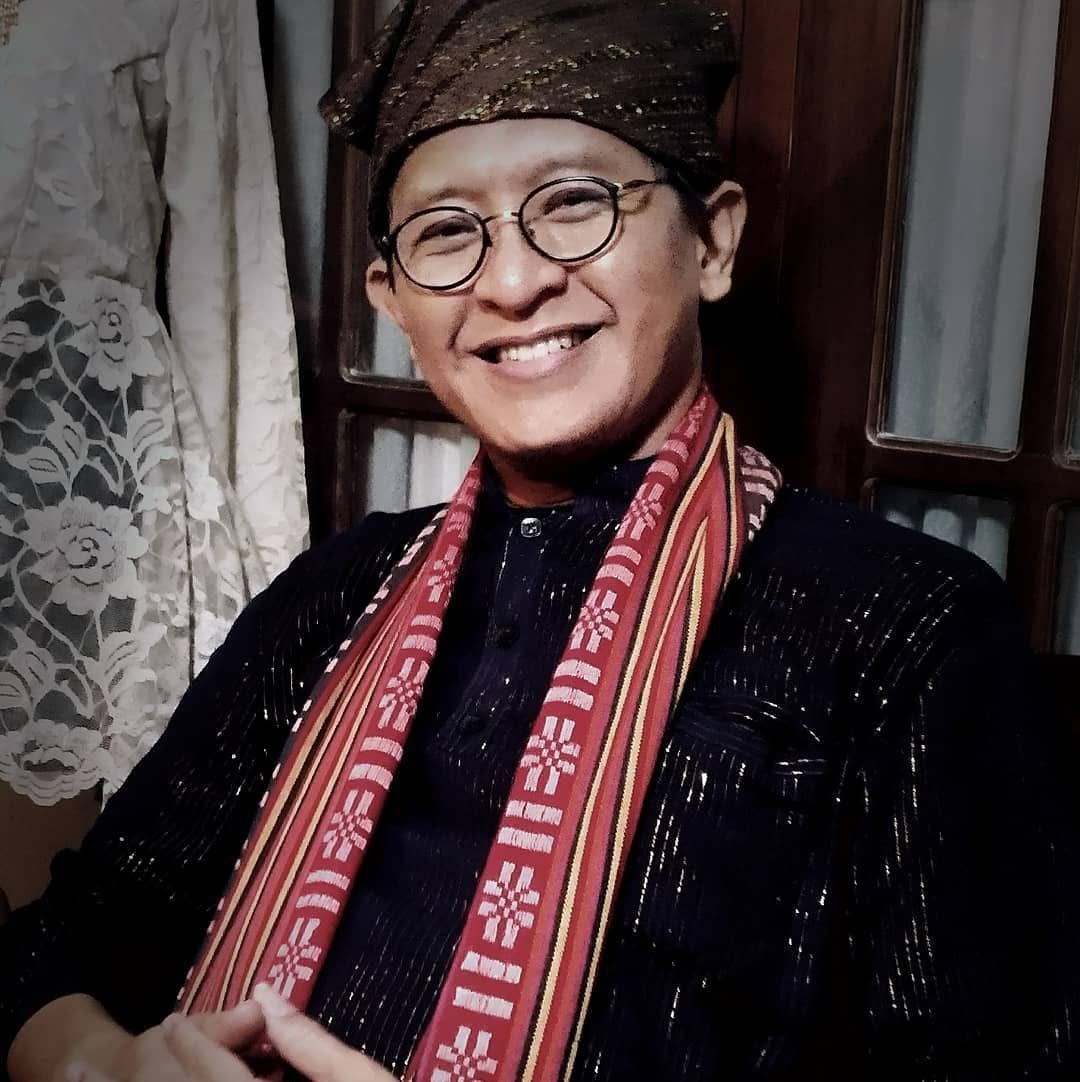
Chandra Setiawan is a noted scholar and a renowned leader in Confucianism. He is the Chairman of the Indonesia-China Partnership Institution, founder of the Global Peace Foundation Indonesia, and founder of the Indonesian Conference on Religion and Peace. Professor Chandra was the former chairman of the Supreme Council of Confucian Religion in Indonesia and former Rector of President University. He also served as a Commissioner for the Supervision of Business Competition (KPPU) for eleven years and a Commissioner of the Indonesian National Commission on Human Rights.
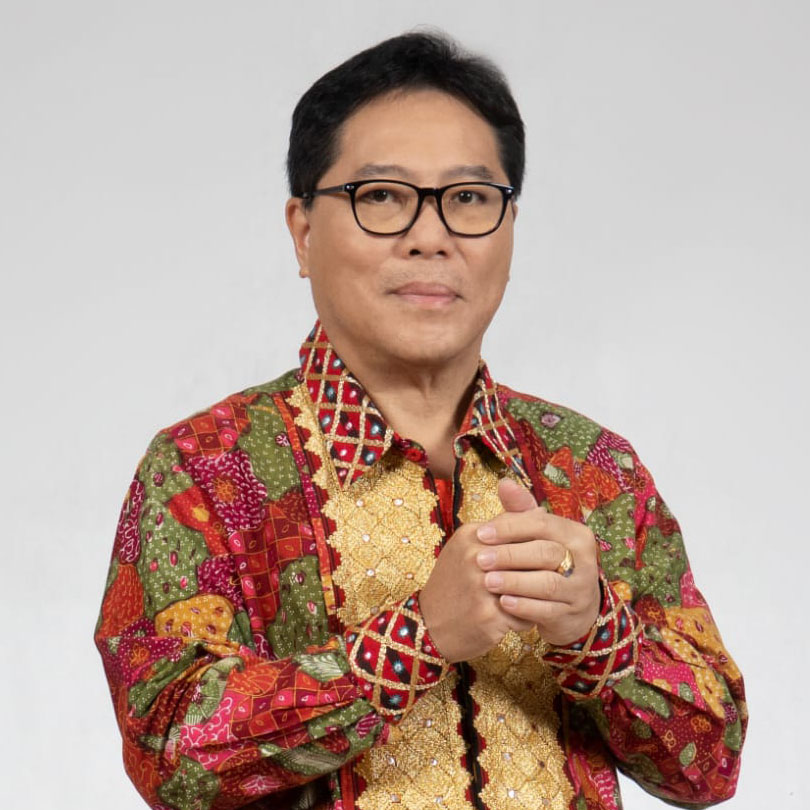
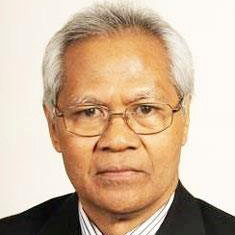
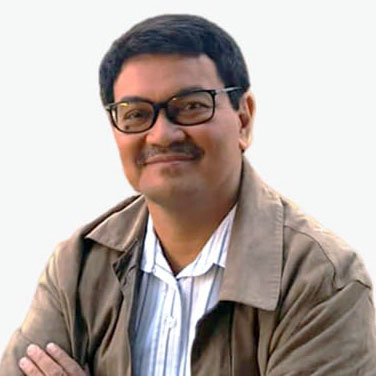
Andreas A. Yewangoe is the Head of the Advisory Board of the Indonesian Bible Institute (Lembaga Alkitab Indonesia) and a Member of the Steering Committee of the Pancasila Ideology Development Agency (Badan Pembinaan Ideologi Pancasila, Republik Indonesia). A senior lecturer at a theological college in Tangerang (STT Moriah Gading Serpong), Dr. Yewangoe received his doctorate from Vrije Universiteit, Amsterdam, in 1987. Dr. Yewangoe was a former rector of Artha Wacana Christian University in Kupang, East Nusa Tenggara, and a former General Chairman of the Communion of Churches in Indonesia (Persekutuan Gereja-gereja di Indonesia).
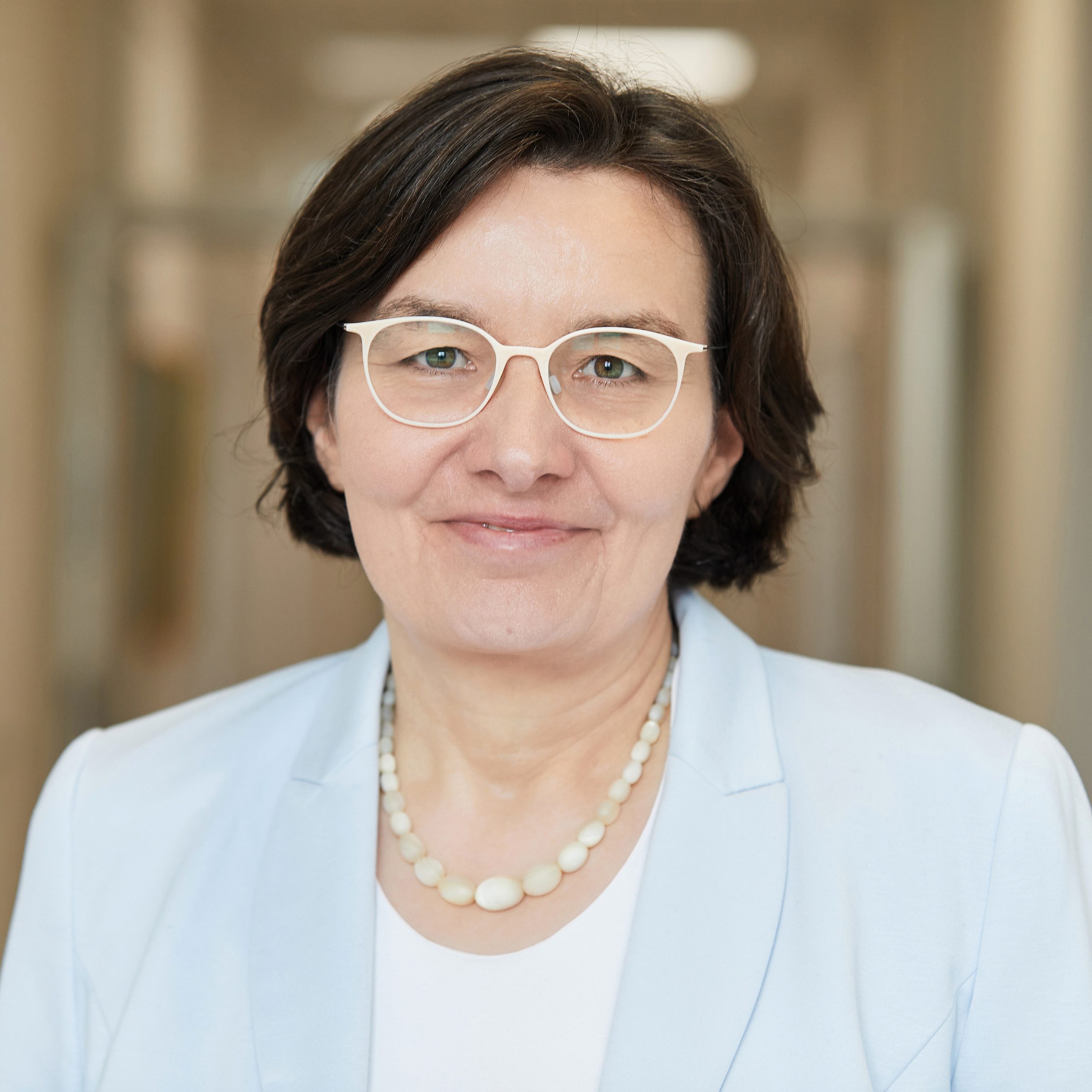
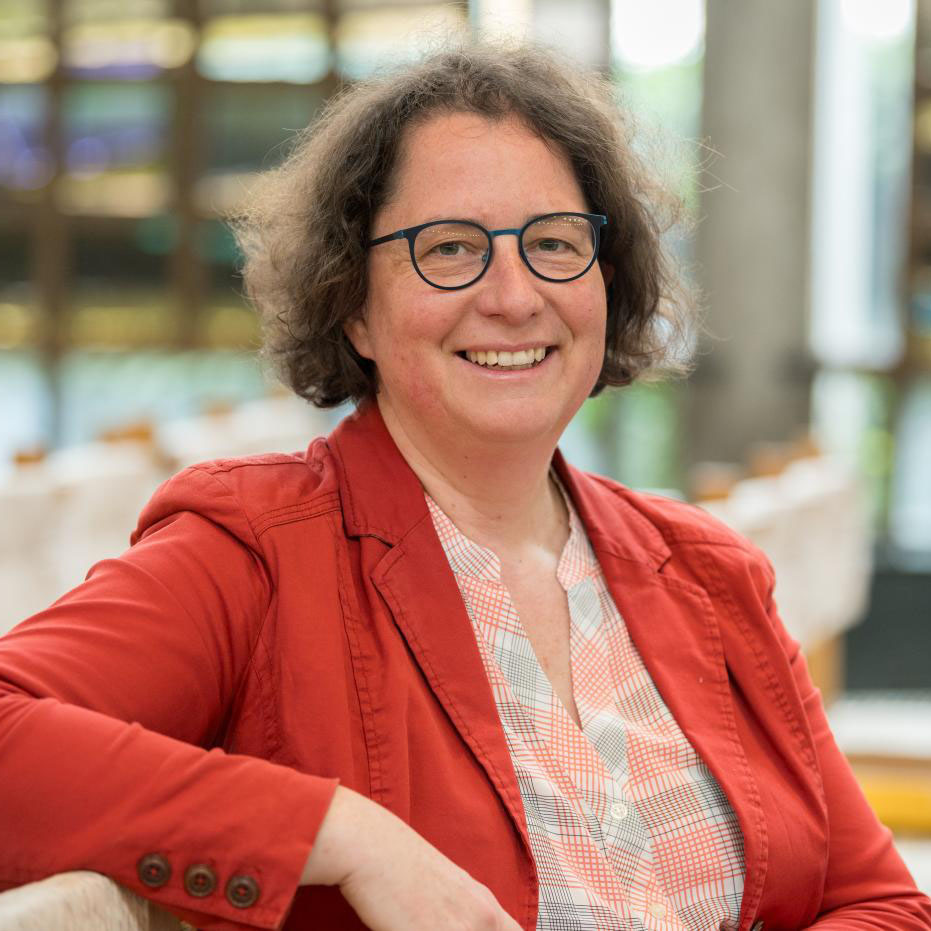
Gotlind Ulshöfer is Professor of Diaconic Studies, Ethics and Digitalization at the Protestant University of Applied Sciences Hessen, Germany, where she is also the Founding Director of the Transdisciplinary Institute for Ethics, Diaconia and Digitalization (TIED). Since August 2025, she serves as President of Societas Ethica – European Society for Research in Ethics. She is also an Extraordinary Professor at the Faculty of Protestant Theology at the University of Tübingen. A qualified Protestant theologian with a postdoctoral qualification (Habilitation) and a diploma in economics, she studied at the Universities of Tübingen, Heidelberg (economics and theology) and at the Hebrew University, Jerusalem (Jewish studies), as well as at Princeton Theological Seminary (Master of Theology). For many years, she worked as a Program Director for Business and Economic Ethics, Law and Gender at the Protestant Academy in Frankfurt. She is an ordained pastor of the Protestant Church in Hessen and Nassau. She held a DFG Heisenberg Research Fellowship for a project on “The Ethics of Power in the Digital Age” and has served as a guest and interim professor at Union Theological Seminary (New York), the University of Zurich, and the University of Bamberg.
Academic Council
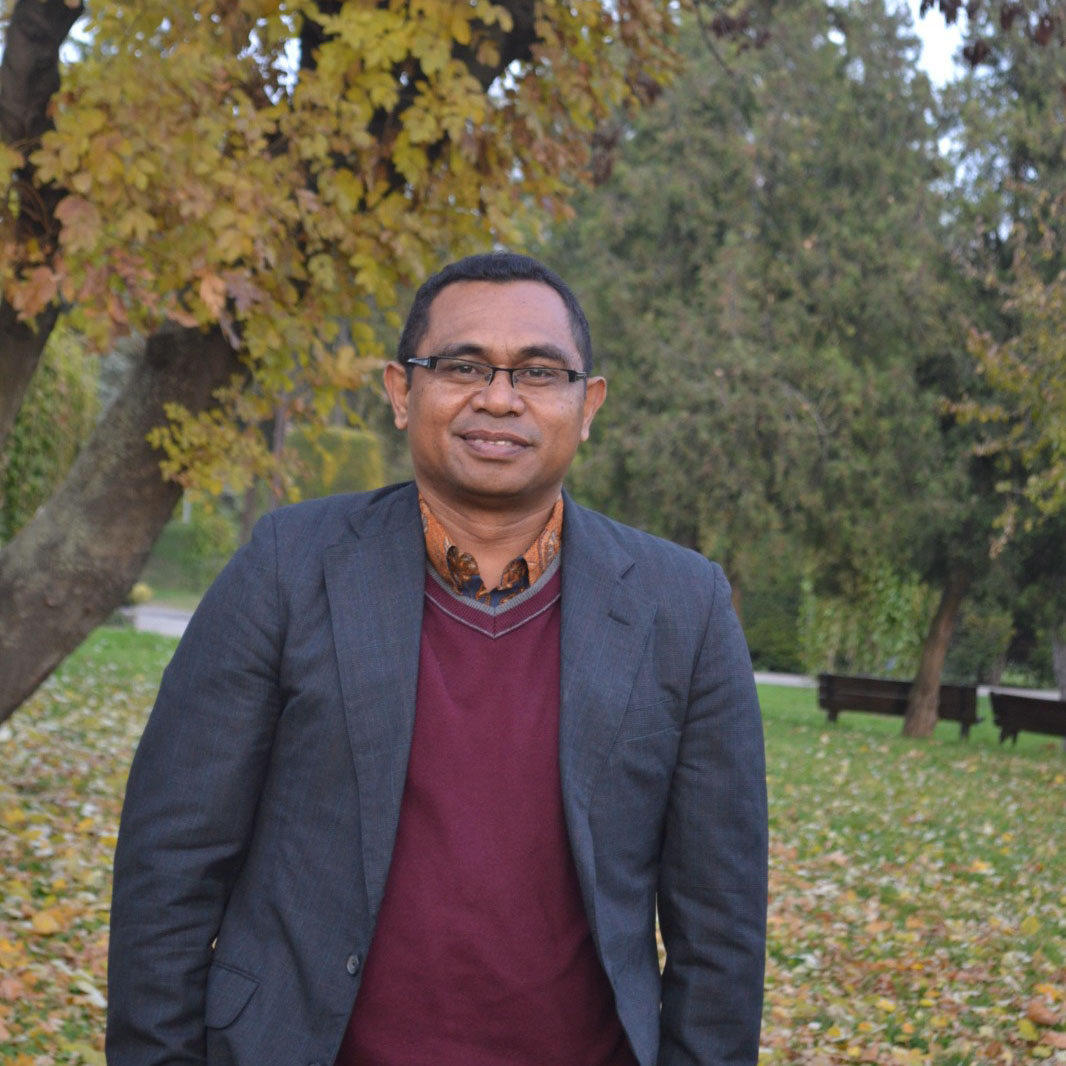
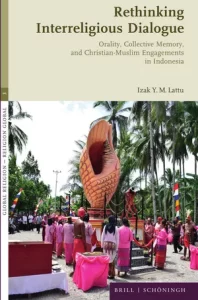
Izak Y. M. Lattu is the Chairman of the Academic Council of the Center for the Study of Religion and Christian-Muslim Relations, Professor of Sociology of Religion and Interreligious Studies, and Dean of the Faculty of Theology, Satya Wacana Christian University. He is also a Series Editor for Palgrave Studies in Lived Religion and Societal Challenges and was a Research Fellow at the Ash Center at Harvard University from 2013 to 2014. Izak earned his PhD from the Graduate Theological Union, affiliated with the University of California, Berkeley, under a Fulbright scholarship. Izak’s work primarily focuses on Christian-Muslim relations, interreligious engagement, and the sociology of religion in Indonesia. However, his research interests encompass the everyday practices of dialogue, music, ritual, and narratives emerging from marginalized communities as resources for peacebuilding and social cohesion. Izak’s research integrates sociological theory, ethnography, and contextual theology to explore how religious communities negotiate difference, conflict, and pro-existence. Izak has published several articles, chapters, and books, including Rethinking Interreligious Dialogue: Orality and Collective Memory in Christian-Muslim Engagements in Indonesia” (Brill, 2023).
Email: izak.lattu@uksw.edu
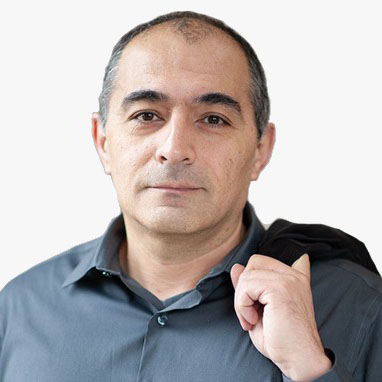
Nader Hashemi is the Director of the Prince Alwaleed Bin Talal Center for Muslim-Christian Understanding and an Associate Professor of Middle East and Islamic Politics at the Edmund A. Walsh School of Foreign Service, Georgetown University (USA). He obtained his doctorate from the Department of Political Science at the University of Toronto (Canada). Dr. Hashemi was previously the Founding Director of the Center for Middle East Studies at the Josef Korbel School of International Studies at the University of Denver. His intellectual and research interests lie at the intersection of comparative politics and political theory, in particular debates on the global rise of authoritarianism, religion and democracy, secularism and its discontents, Middle East and Islamic politics, democratic and human rights struggles in non-Western societies, and Islam-West relations. His books include Islam, Secularism and Liberal Democracy: Toward a Democratic Theory for Muslim Societies (Oxford University Press, 2009), The People Reloaded: The Green Movement and the Struggle for Iran’s Future (Melville House, 2011), The Syria Dilemma (MIT Press, 2013), Sectarianization: Mapping the New Politics of the Middle East (Oxford University Press, 2017), and a four-volume study on Islam and Human Rights: Critical Concepts in Islamic Studies (Routledge, 2023).
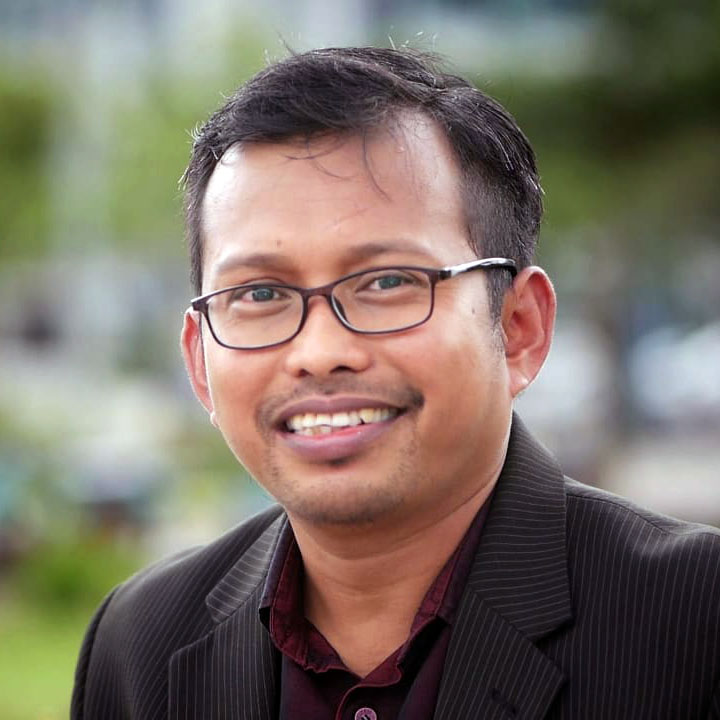
Asfa Widiyanto is a Professor of Islamic studies at the State Islamic University (UIN) Salatiga, Indonesia. He obtained his doctorate from the University of Bonn and his master’s from Leiden University. From 2011 until 2013, he undertook postdoctoral research at the University of Marburg and the University of Bamberg, which was supervised by Prof. Claudia Derichs and Prof. Patrick Franke and sponsored by the Alexander von Humboldt Foundation. Currently, he serves as the Editor-in-Chief of the Indonesian Journal of Religion, Spirituality and Humanity (IJoReSH) and the Director of the Graduate School of UIN Salatiga. Widiyanto’s latest monographs include Religious Authority and the Prospects for Religious Pluralism in Indonesia: The Role of Traditionalist Muslim Scholars; and Ritual and Leadership in the Subud Brotherhood and the Tariqa Qadiriyya wa Naqshbandiya. In addition, he has published a number of articles in peer-reviewed journals. His research interests include Islamic studies, the sociology of religion, and the philosophy of religion.
Email: asfa.widiyanto@uinsalatiga.ac.id
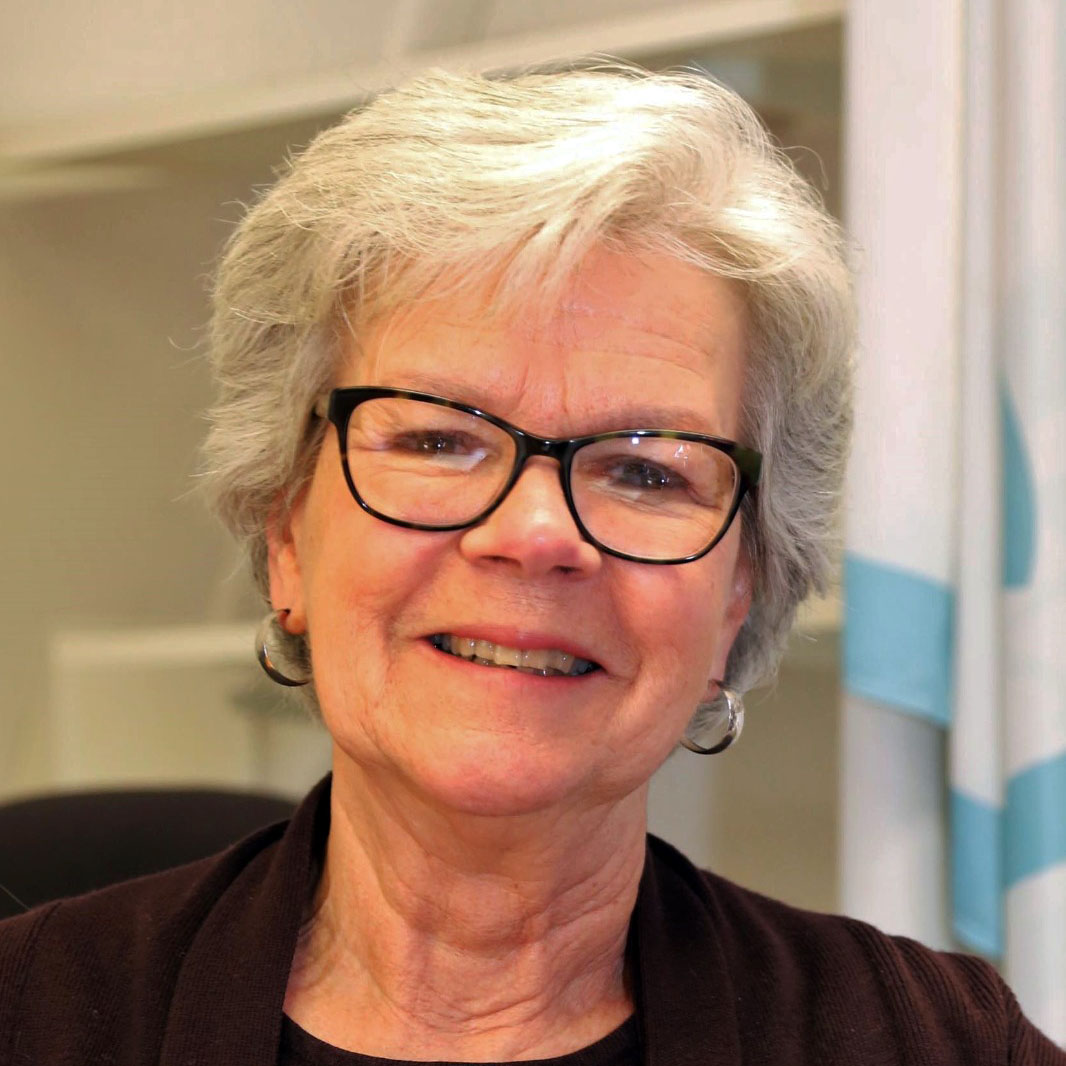
Nancy T. Ammerman is Professor Emerita of Sociology of Religion at Boston University, having served as Chair of the Department (2007-2013) and Associate Dean for the Social Sciences (2015-2018). She received her PhD from Yale University. Dr. Ammerman’s previous two edited books, Everyday Religion: Observing Modern Religious Lives (Oxford University Press, 2006) and Sacred Stories, Spiritual Tribes: Finding Religion in Everyday Life (Oxford University Press, 2013), explored the ways religion and spirituality are part of the everyday world of work, home, health, and public life. Following on that research, she has articulated an invitation to “re-think religion” based on sociological theories of practice and a body of research on “lived religion” (American Journal of Sociology 126(1), July 2020). Pulling all this together is her book Studying Lived Religion: Contexts and Practices (NYU Press, 2021.

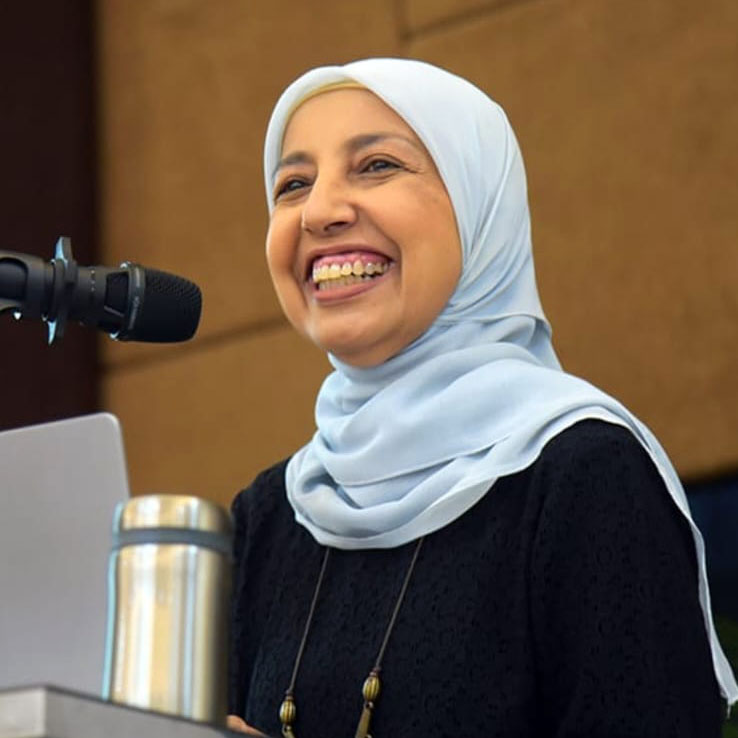
Stéphane Lacroix is an associate professor of political science at Sciences Po, a senior researcher at Sciences Po’s Centre de Recherches Internationales (CERI), the co-director of Sciences Po’s Chair for the study of religion, and Visiting Professor at Universitas Islam Internasional Indonesia. His work deals with religion and politics, with a focus on the Gulf and Egypt. He is the author of Awakening Islam: The Politics of Religious Dissent in Contemporary Saudi Arabia (Harvard University Press, 2011), Saudi Arabia in Transition: Insights on Social, Political, Economic and Religious Change (Cambridge University Press, 2015, with B. Haykel and T. Hegghammer), Egypt’s Revolutions: Politics, Religion, Social Movements (Palgrave Macmillan, 2016, with B. Rougier), and Revisiting the Arab Uprisings: The Politics of a Revolutionary Moment (Oxford University Press, 2018, with J.-P. Filiu). His most recent book from Columbia University Press is Twilight of the Saints: The History and Politics of Salafism in Contemporary Egypt (translated by Jeremy Sorkin).
Faculty Affiliates
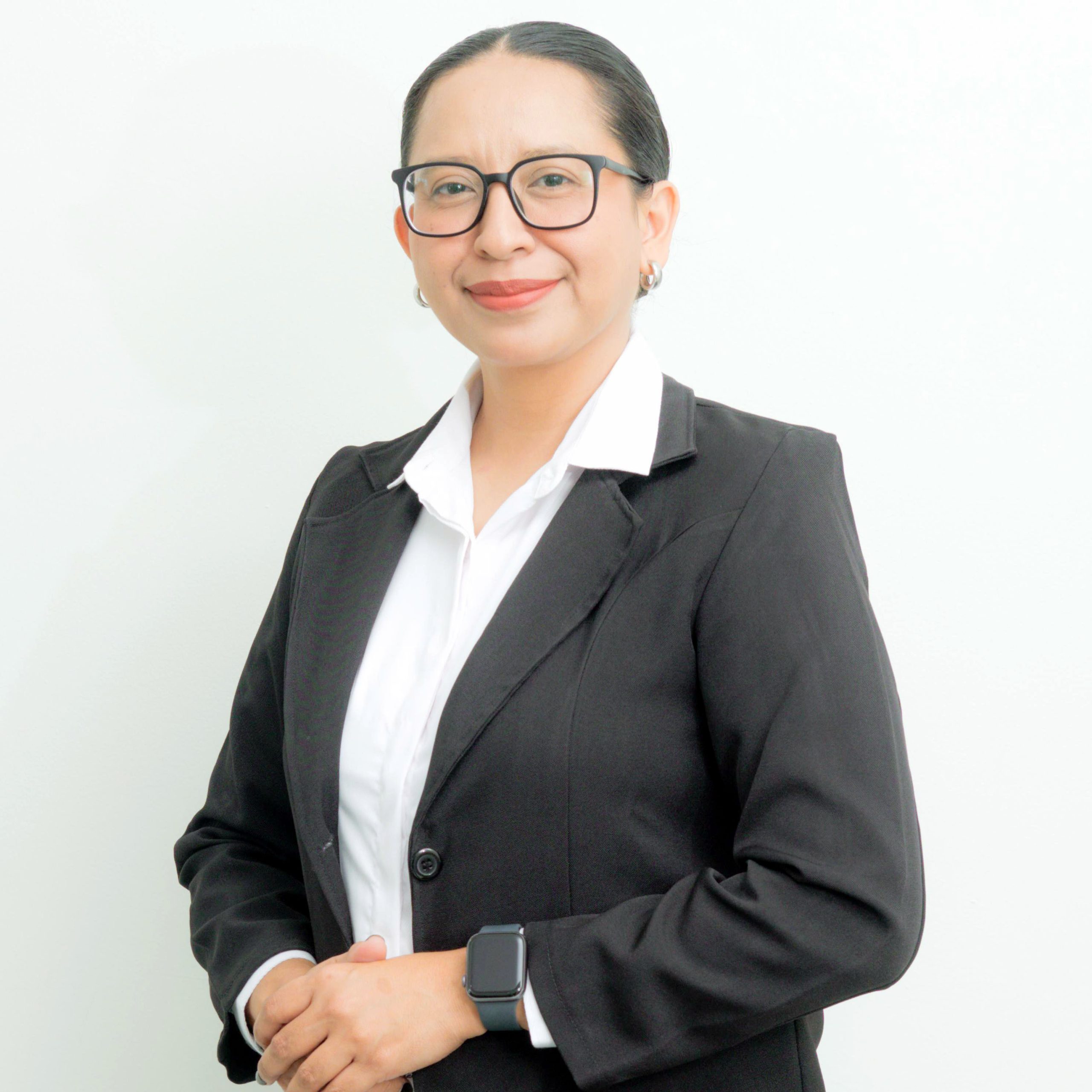
Irene Ludji graduated with a Doctor of Philosophy (Ph.D.) in Philosophy of Religion and Theology from Claremont Graduate University in Claremont, California, USA. She is an associate professor in the Faculty of Theology, where she serves as the vice dean, and a researcher at the Center for the Study of Gender, Women, and Children (PSGA) at Satya Wacana Christian University. Her research interests include the ethics of solidarity, the ethics of nonviolence, Indonesian social ethics, Christian ethics, and the philosophy of religion. Her latest publication as book editor is “The Ethics of Peace and Nonviolent (Learning from the Indonesian Context).”
Email: irene.ludji@uksw.edu
Google Scholar: https://bit.ly/Ir3n3Ludj1
Agastya Rama Listya is the dean of the Faculty of Language and Arts at Satya Wacana Christian University (SWCU). A composer, choral conductor, and lecturer in the Department of Music at the Faculty of Languages and Arts, Agastya is the conductor of the Lux Aeterna Vocal Ensemble and the Choir of the Indonesian Christian Church Salatiga. Agastya earned a Bachelor of Arts in Music Theory and Composition from the Indonesian Institute of the Arts Yogyakarta (1992); a Master’s degree in Choral Conducting from Luther Seminary and St. Olaf College, Minnesota (2001); and a Doctorate in Ethnomusicology from the University of Otago, New Zealand (2018). His research and publications emphasize music and religion, music and culture, music and education, music and law, and music and mental health, in addition to music composition and choral conducting. Agastya’s writings include chapters published in several books, such as Musik dalam Perspektif: Kumpulan Esai (2019), Agama dan Budaya Nusantara Pasca Kristenisasi (2020), Rapsodia Filsafat: Melatih Filsafat sebagai Ilmu Kritis di Perguruan Tinggi (2022), Musik dan Perlindungan Hukum (2024), Musik di Indonesia: Sejarah dan Perkembangan Kontemporer (2024), Pendidikan Imago Dei (2025), and Liber Musica Kembang Setaman (2025). Agastya is also a contributor to the International Choral Bulletin, published by The International Federation for Choral Music.
Email: agastya.listya@uksw.edu
Email: arthik.davianti@uksw.edu
Google Scholar: https://bit.ly/3Le10kY
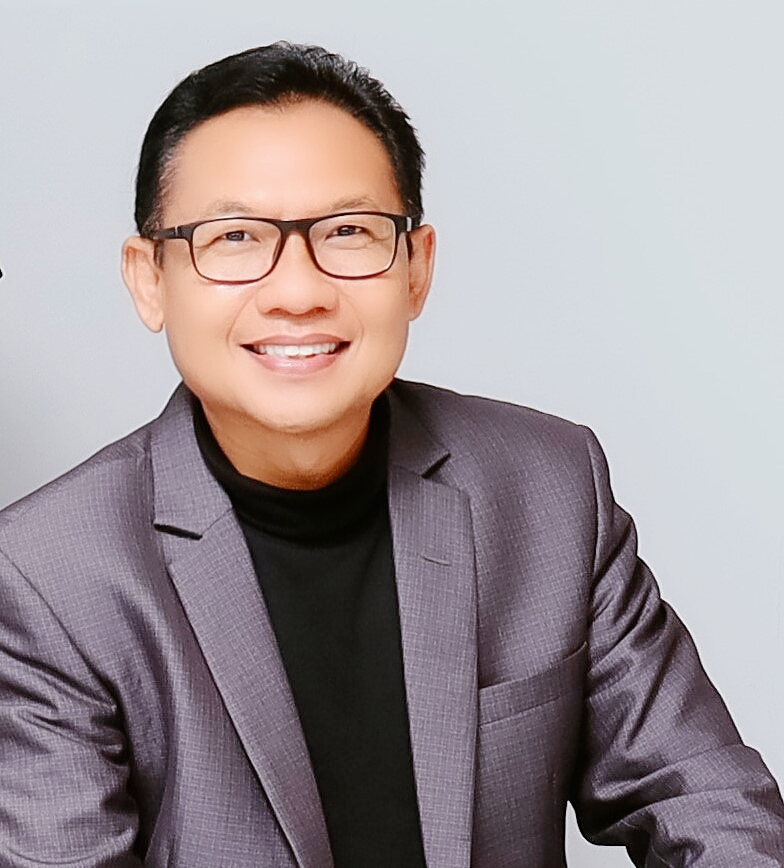
Rev. Gunawan Yuli Agung Suprabowo is a lecturer at the Faculty of Theology, Satya Wacana Christian University, Indonesia. He holds a Doctorate in Theology from the Jakarta School of Philosophy and Theology. His academic interests include New Testament Hermeneutics and Theology, Religious Altruism, Social Theology, and Interreligious Hermeneutics. He has served as editor and reviewer for several theological journals and has extensive experience in pastoral ministry, theological education, and interfaith engagement. He is the editor of the book Religious Altruism: Understanding Altruistic Religious Life (2024). His other publications can be accessed at
Rev. Agus Supratikno is a lecturer in the Faculty of Theology, Satya Wacana Christian University. He obtained his doctorate from Diponegoro University. His academic and research interests include the study of the political science of religion and peace studies, with a particular focus on exploring the relationships between religion, identity politics, nationalism, and peacebuilding. He has published books and academic articles on these issues. In community service, Supratikno has played a central role in developing the Srumbung Gunung Peace Creative Tourism Village in Semarang Regency. This initiative fosters interfaith dialogue, social cohesion, and sustainable peace through community-based tourism. Through his teaching, research, and community engagement, he is committed to advancing inclusive, critical, and socially transformative education.
Email: agus.supratikno@uksw.edu
Google Scholar: https://scholar.google.com/citations?user=HPE-FqAAAAAJ&hl=id.
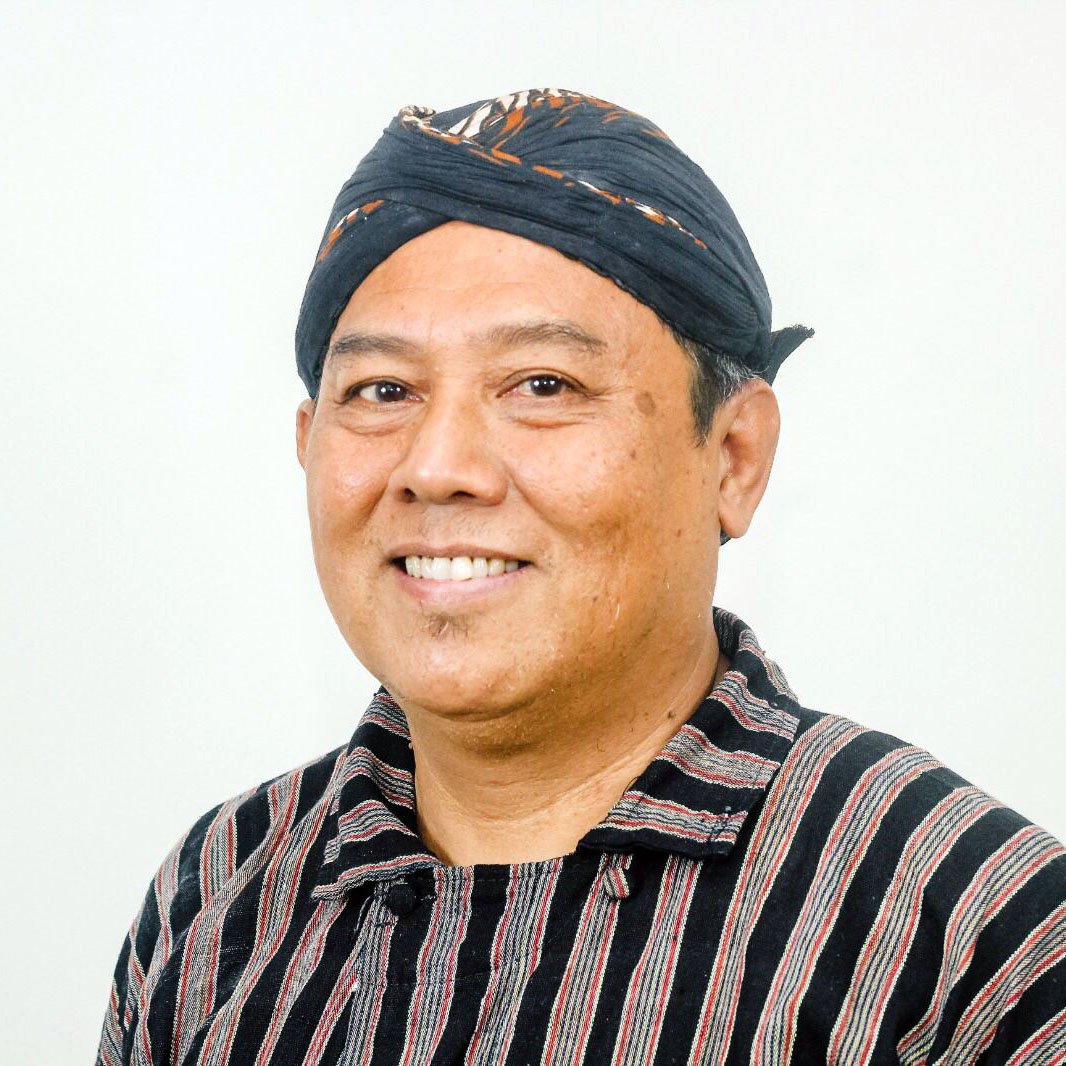

Tony Tampake is the Head of the Master’s Program in the Sociology of Religion, Faculty of Theology, Satya Wacana Christian University (SWCU). Dr. Tampake is also a member of the Association of Indonesian Sociologists and the Asia Pacific Sociological Association. Previously, he was the chair of the Peace Center at SWCU, aiming at resolving social conflicts in Eastern Indonesia, and a visiting scholar at the Institute for Advanced Study in Asian Cultures and Theologies at the Chinese University of Hong Kong. Dr. Tampake’s primary academic, theoretical, and research interests are in the fields of the sociology of religious movements and the sociology of local culture. A pastor from the Central Sulawesi Christian Church, he received academic training at SWCU, Hartford Seminary (now, Hartford International University for Religion and Peace), and Eastern Mennonite University. His dissertation in the Sociology of Religion Graduate Program at SWCU, entitled “Redefining Social Action and Reconstructing Identity after the Conflict in Poso,” examines Muslim-Christian violence and peacebuilding in Poso, Central Sulawesi.
Email: tony.tampake@uksw.edu
Google Scholar: https://scholar.google.com/citations?user=WSoMuHUAAAAJ&hl=id
Rev. Dr. Ferry Nahusona is an ordained minister of the Maluku Protestant Church and Head of Campus Ministry at Satya Wacana Christian University, where he earned a doctorate in the Sociology of Religion. Trained in interreligious dialogue and trauma recovery at Eastern Mennonite University, as well as in Christian-Muslim relations at Hartford International University for Religion and Peace, Rev. Nahusona chaired the Coordination and Communication Forum for Victims of the Maluku Conflict, directly facilitating the signing of the landmark 2002 Malino II Peace Agreement between Christians and Muslims. Rev. Nahusona remains actively engaged in educational leadership initiatives across Asia.
Research
Current Research Projects
Center for the Study of Religion and Christian-Muslim Relations, in collaboration with the Research Center for Religion and Belief (Pusat Riset Agama dan Kepercayaan), the National Research and Innovation Agency (Badan Riset dan Inovasi Nasional), is conducting several research projects, as follows.
- Politik Inklusi Penghayat Kepercayaan dalam Ruang Sosial dan Kebijakan di Jawa Tengah (Inclusion Politics of Believers in Social Space and Policy in Central Jawa)
- Problematika Identitas Kependudukan Penghayat Kepercayaan Terhadap Tuhan Yang Maha Esa di Jawa Tengah (The Problem of Population Identity for Central Jawa’s Believers)
- Antara Penerimaan dan Jarak Sosial: Interaksi dan Relasi Penghayat Kepercayaan dengan Komunitas Agama-Agama (Between Acceptance and Social Distance: Interaction and Relations of Believers with Religious Communities)
Publication
Sumanto Al Qurtuby
Suwarto Adi
Sumanto Al Qurtuby
Sumanto Al Qurtuby
Sumanto Al Qurtuby
Sumanto Al Qurtuby
Learning from the Grassroots: Christian-Muslim Engagement in Pati and Jepara, Central Java
Focus Group Discussion: Unpacking Christian-Muslim Relationships in Indonesia, Germany, and Rwanda
President Turner, the Need for Interreligious Collaboration for Global Peace
Distinguished Speaker Series on Christian-Muslim Studies in Higher Education
Learning Interreligious Harmony from Villagers of Thekelan Hamlet on the Slope of Mt. Merbabu
UKSW Perluas Kajian Kristen-Muslim, Hadirkan Profesor Robert W. Hefner dari Boston University
Tracing Gus Dur’s Footsteps at Balewiyata Theological Institute in East Java
Remembering John Esposito, A Scholar Who Defended Islam and Fostered Christian-Muslim Understanding in the West
CSR-CMR Faculty Affiliate Was Selected to Participate in the 2026 IASACT Interfaith Meeting in Thailand
With German Professors, Reps of CSR-CMR Explore the Possibility of Future Research Collaboration
SWCU, Christian Delegation from Germany Visits an Islamic Boarding School in Salatiga
National Roundtable Discussion on Religious Institutions, Climate Change, and Population Displacement
CSR-CMR Explores Innovative Approaches to Pastoral Counseling through Collaboration with Campus Ministry and Golda Institute
At BRIDA, Signing Agreement of Research Collaboration and Brainstorming with BRIN
Signing MoU with Oxford’s Center for Muslim-Christian Studies and Center for Religious Harmony, Ministry of Religious Affairs
SWCU Launches Center of Excellence CSR-CMR and Inspire 2026, Strengthening Global Interreligious, Christian-Muslim Collaboration
Brainstorming with the Acting Head of BRIN’s Research Organization for Social Sciences and Humanities
Quiet Achievements, Lasting Impact: CSR-CMR Welcomes New Partnership with IAKN Tarutung
Sharing Session on Outcomes of Research Collaboration between CSR-CMR and BRIN on the Local Belief Community in Central Java
Call for Abstracts-International Symposium on Peace, Integrity, and Responsiveness to Ecotheology
International Seminar and Inauguration of the Center of Excellence & Inspire 2026
Beasiswa Kementerian Agama untuk Magister Sosiologi Agama (MSA), Fakultas Teologi, UKSW
Center's Documentary Video
- csr.cmr@uksw.edu