
CSR-CMR recently welcomed a group of German professors from Evangelische Hochschule Hessen (EHH) and an interfaith dialogue practitioner from the United Evangelical Mission (UEM). They were Professors Gotlind Ulshofer, Marga Günther, Ulrike Manz from EHH, and Julia Thissen from UEM. Reps of CSR-CMR who welcomed them were Sumanto Al Qurtuby, PhD (Head of CSR-CMR), Rev. Dr. Gunawan Y. A. Suprabowo, and Dr. Suwarto.
The meeting marked a significant milestone in strengthening academic cooperation between Indonesia and Germany and opened new avenues for collaborative research on Christian–Muslim relations and other themes related to religion’s role in societies. For example, the role of religion in environmental issues, socioeconomic development, banking system, inter-group peacebuilding, and antisemitic actions. The primary focus is on developing a joint research project that compares perspectives from Islam and Christianity in the two nations on pressing global issues.
Beyond research, the meeting reaffirmed the importance of strengthening interreligious literacy through mutual learning about religious traditions and the study of sacred scriptures within Islam (the Qur’an) and Christianity (the Bible). The discussion also highlighted the vital contribution of higher education institutions in cultivating mutual respect, fostering dialogue, and preparing future leaders capable of navigating religious and cultural diversity in an era of globalization.
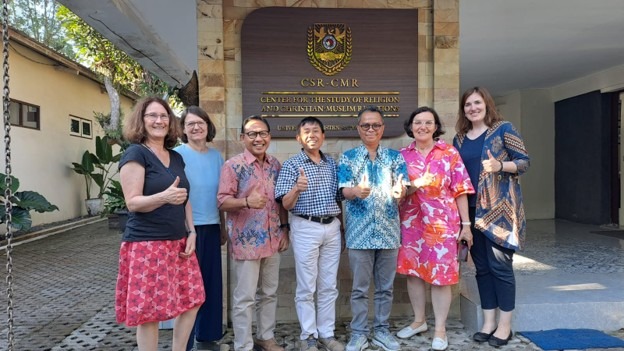
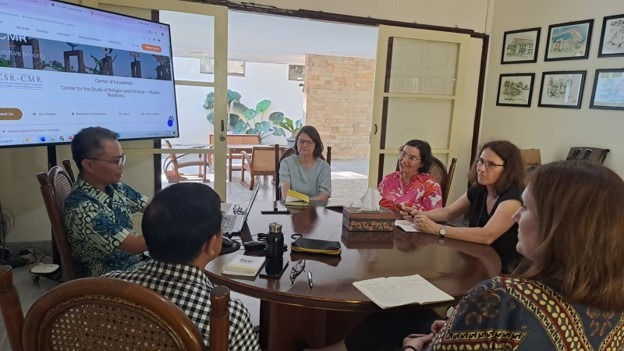
As a concrete step, CSR-CMR, EHH, and UEM agreed to expand their partnership program through faculty and student exchanges, international conferences, guest lectures, joint research projects, and collaborative academic publications. This growing partnership is expected to make a meaningful contribution to advancing Christian–Muslim dialogue, strengthening intercultural understanding, and supporting peacebuilding initiatives at both national and international levels.
This strategic move further reflects SWCU’s ongoing commitment to building global academic networks that generate impactful research, encourage cross-cultural collaboration, and contribute to a more peaceful, inclusive, and harmonious world.
*Gunawan Suprabowo contributed to this report.