Rev. Dr. Ferry Nahusona, Head of Campus Ministry at Satya Wacana Christian University (SWCU) and CSR-CMR Faculty Affiliate, successfully completed the competitive selection process to participate in the 2026 Institute for Advanced Study in Asian Cultures and Theologies (IASACT)’s intensive academic training with a theme called “Theologies of Aging: Interfaith Wisdom for Flourishing in Later Life.”
The training was sponsored by the United Board for Christian Higher Education in Asia (UBCHEA) in collaboration with Payap University, Chiang Mai, Thailand, from 19 June to 3 July 2026. IASACT was conducted through a blended-learning format consisting of two weeks of online mentoring followed by two weeks of intensive residential mentoring in Chiang Mai.
Rev. Dr. Nahusona was one of 20 selected participants representing 13 countries and 20 higher education institutions across Asia. The cohort reflected a rich diversity of religious traditions, academic disciplines, cultural backgrounds, and professional experiences, providing a unique environment for interdisciplinary and interfaith dialogue.
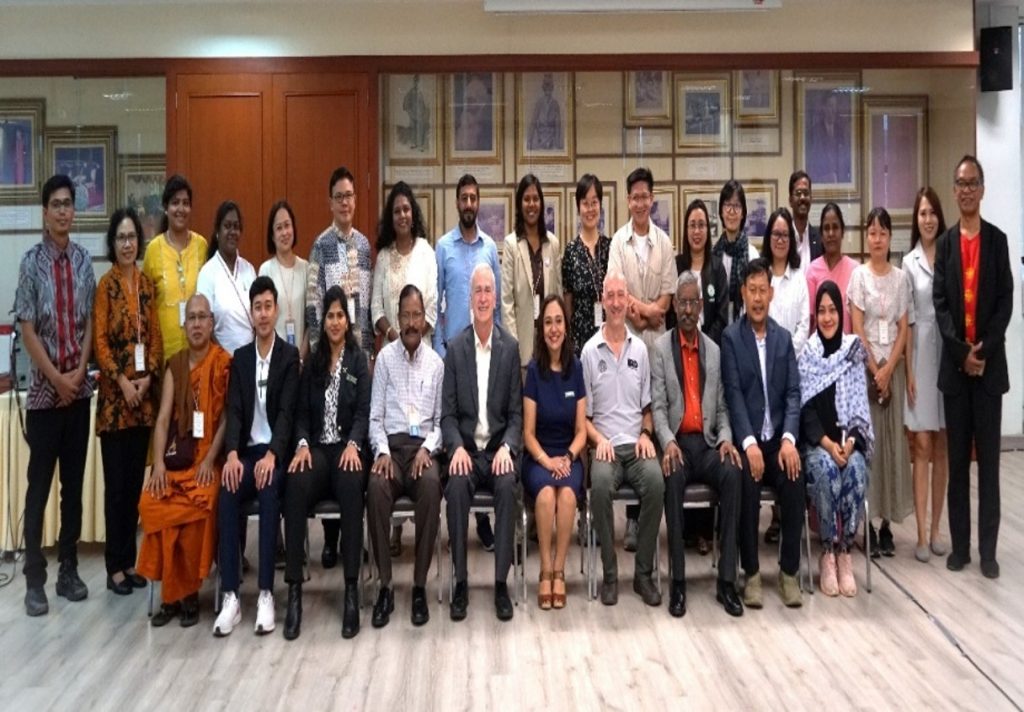
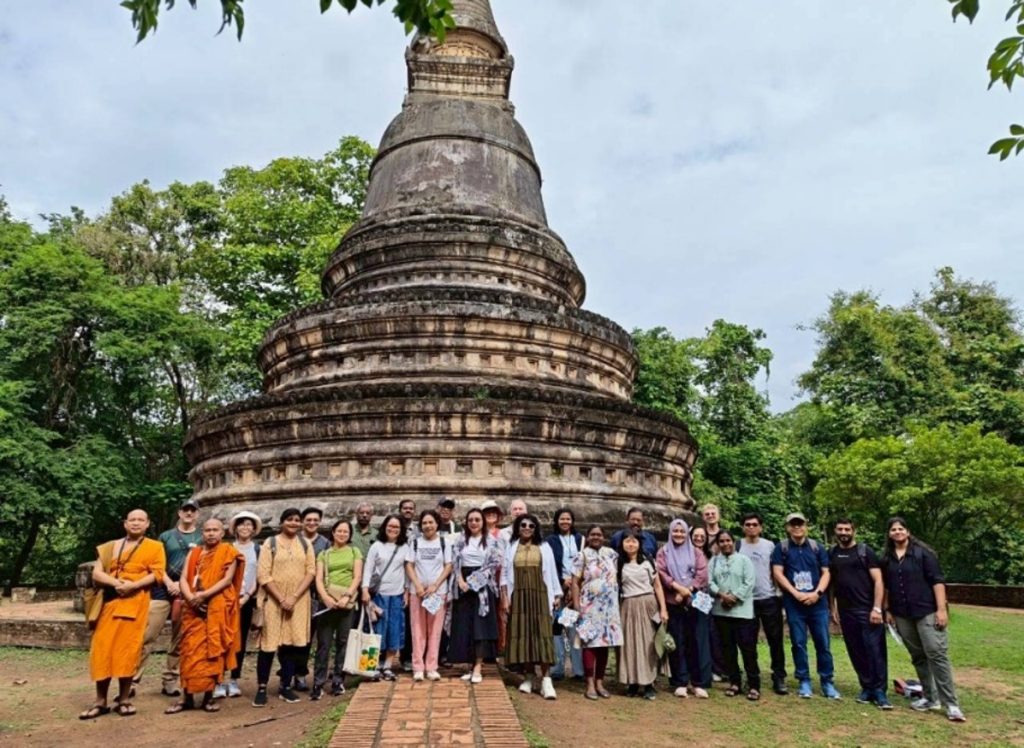
Throughout the program, participants were encouraged to examine the theological, ethical, and social dimensions of aging from multiple faith perspectives. As emphasized by Dr. Maher Spurgeon, Dean of IASACT 2026, the program sought to invite participants:
“…to explore aging through diverse lenses—drawing from Christian, Buddhist, Hindu, Muslim, Indigenous, and other wisdom traditions—and to engage critically and creatively with questions of elderhood, intergenerational ethics, spiritual continuity, mortality, dignity, and hope.”
As part of the academic requirements, Rev. Dr. Nahusona prepared and presented a research paper entitled:
“Salam-Sarane: Its Contribution, Challenges, and Strategies for the Intergenerational Transmission of Ethical and Theological Memory in Maluku, Indonesia.”
The paper offers an academic reflection grounded in empirical experience, examining the role of Salam-Sarane as a local tradition of interreligious solidarity in Maluku. It argues that this indigenous wisdom provides valuable ethical and theological resources for strengthening harmonious relationships between Muslim and Christian communities while fostering mutual trust across generations.
Furthermore, the study highlights the continuing relevance of local wisdom in addressing contemporary social challenges. In an era characterized by rapid digital transformation, shifting cultural identities, and increasingly complex intergenerational dynamics, the transmission of ethical values and theological memory requires intentional strategies involving families, faith communities, educational institutions, and wider society.
Participation in IASACT 2026 has therefore provided not only an opportunity for international academic engagement but also a valuable platform for enriching theological reflection, strengthening intercultural collaboration, and reaffirming the significance of Asian local wisdom in contributing to peaceful coexistence and human flourishing in an increasingly interconnected world.
*Rev. Dr. Ferry Nahusona contributed to this report.